
Contact Us

close


Let’s be honest: no one’s opening their phone hoping to see more brand content on their feed.
We scroll for entertainment, distraction, connection… maybe a bit of harmless procrastination. And yet, some brands still manage to stop us mid-scroll.
Because they just get it.
That’s the difference with social-first brands. They don’t feel like brands trying to be on social. They feel like they belong there.
It’s not about “doing social.” It’s about thinking in social.
There’s a persistent myth that being social-first means posting more, jumping on every trend, or letting TikTok steer the whole marketing plan.
It doesn’t.
Social-first brands start somewhere much earlier.
They look at how people behave (how they scroll, what they laugh at, what they share, what they ignore) and build from there.
Not just the content. The whole idea.
Think about the ones you actually engage with.
Duolingo. Blank Street. REFY.
Very different brands, same instinct.
Blank Street has built a brand that lives as comfortably on feeds as it does on the high street: clean, considered, and constantly shared.
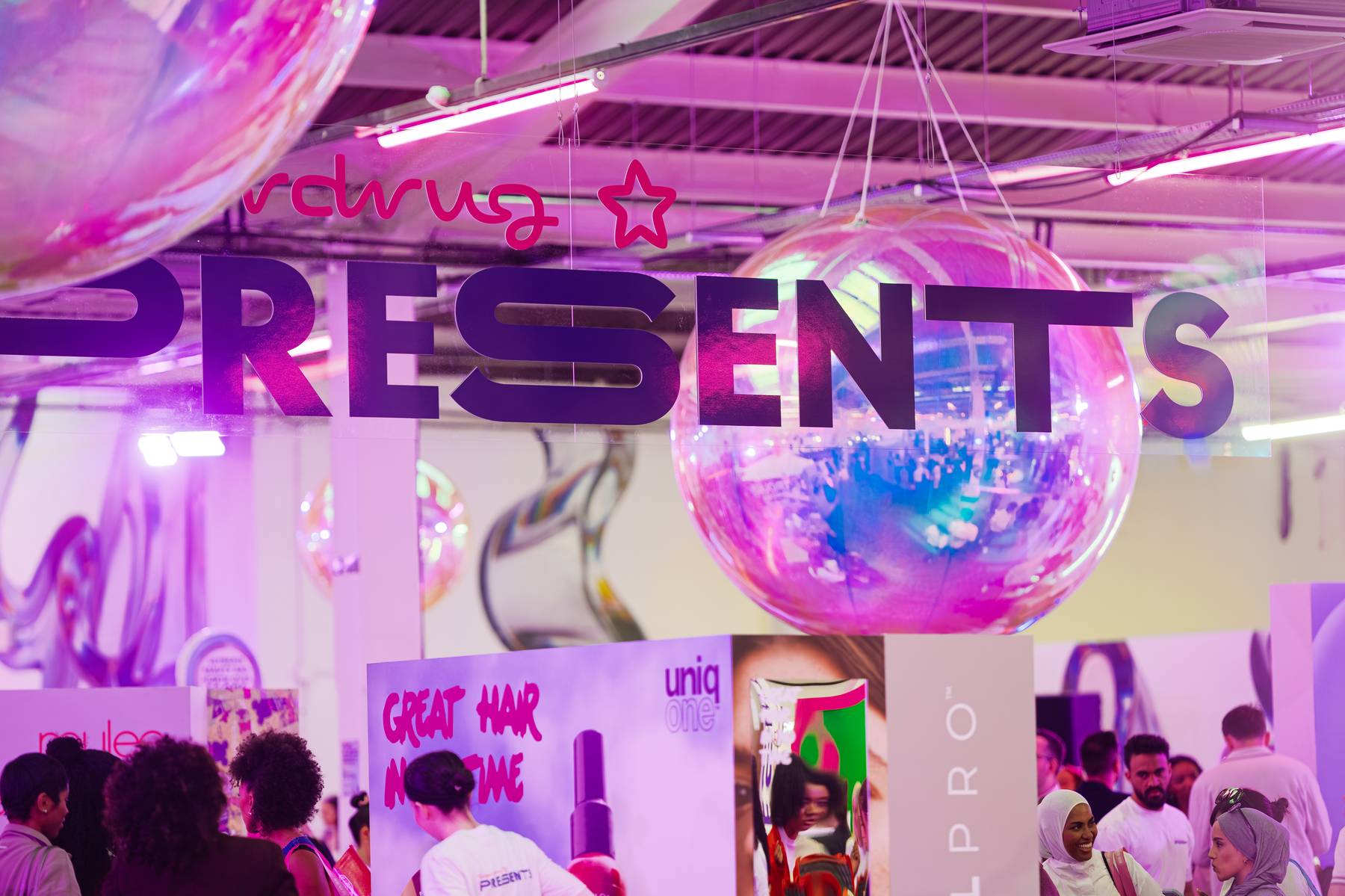
REFY has turned products into rituals, and retail into experience. Its pop-ups are designed for shopping — but also for sharing and filming.
None of these brands plays it safe. And more importantly, none of them is trying to look like traditional advertising.
They’re reacting, riffing, experimenting. Sometimes it works brilliantly. Sometimes it flops. But it always feels human.
And that’s the point.
If something works on social media, it’s usually because it taps into real behaviour.
Brand discovery doesn’t really come from platforms anymore — it comes from people.
It’s less about where something is posted and more about what people do with it: whether it gets shared, talked about, or visited beyond the screen.
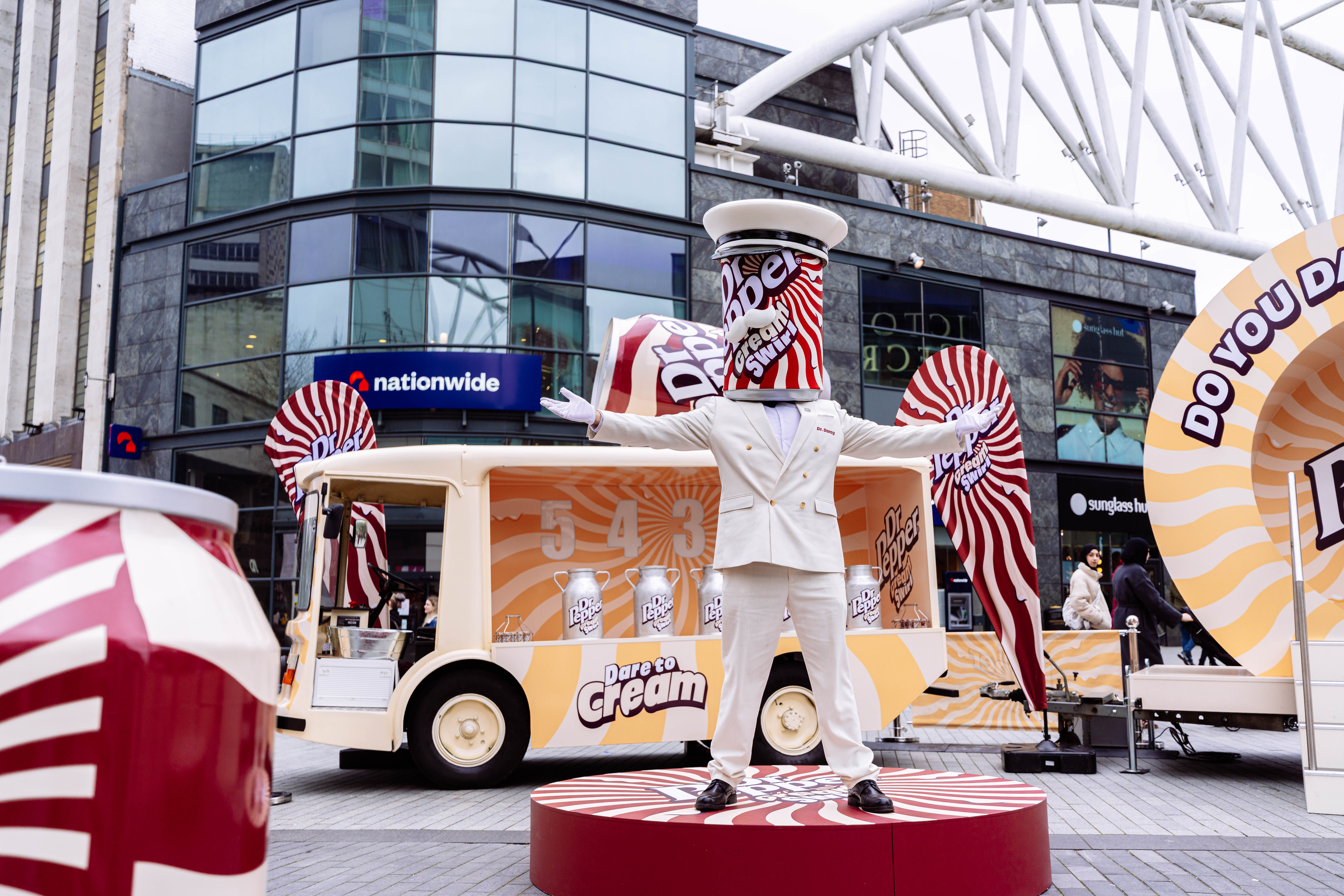
That’s why physical experiences now play a much bigger role in social marketing.
Because:
So instead of forcing social onto an idea at the end, these brands flip it. They design things that people will want to share in the first place.
And that doesn’t just create better content. It changes how brands are built.
The way a product looks on the shelf — does someone pick it up and film it?
How sampling works — just a giveaway, or something worth posting?
How retail spaces are built — static display, or something you interact with?
How pop-ups feel — less like installations, more like spaces to share?
It’s not about making things “Instagrammable” for the sake of it.
It’s about understanding why people share — and designing with that in mind from day one.
Of course, none of this happens on gut instinct alone.
Social media gives you a constant read on what people care about, if you know how to listen properly.
Comments, trends, creators, communities, they’re all signals. Tiny clues about what’s landing, what’s boring, and what’s about to blow up.
Using platforms like Talkwalker helps go beyond surface-level trends and dig into what’s happening beneath the surface: how conversations are evolving, what sentiment looks like, and where momentum is building (or dying off).
So instead of guessing what might land, brands can work with real, live audience behaviour.
Which makes a big difference when creating experiences, too.
No dramatic reinvention required. But definitely a rethink.
When social is the starting point, not the add-on, it doesn’t just change what you post.
It changes how you post.
It changes what you make.
From the pack someone picks up, to the sample they share, to the space they walk into: every touchpoint works a bit harder and travels a bit further.
Not because it’s been pushed into people’s feeds.
Because it was designed to belong there in the first place.
Our social and influencer experts know how to turn comments into communities — and audiences into advocates.

Authored By:
Lorem ipsum dolor sit amet, consectetur adipiscing elit. Suspendisse varius enim in eros elementum tristique. Duis cursus, mi quis viverra ornare, eros dolor interdum nulla, ut commodo diam libero vitae erat. Aenean faucibus nibh et justo cursus id rutrum lorem imperdiet. Nunc ut sem vitae risus tristique posuere.
Lorem ipsum dolor sit amet, consectetur adipiscing elit. Suspendisse varius enim in eros elementum tristique. Duis cursus, mi quis viverra ornare, eros dolor interdum nulla, ut commodo diam libero vitae erat. Aenean faucibus nibh et justo cursus id rutrum lorem imperdiet. Nunc ut sem vitae risus tristique posuere.
Published:
Lorem ipsum dolor sit amet, consectetur adipiscing elit. Suspendisse varius enim in eros elementum tristique. Duis cursus, mi quis viverra ornare, eros dolor interdum nulla, ut commodo diam libero vitae erat. Aenean faucibus nibh et justo cursus id rutrum lorem imperdiet. Nunc ut sem vitae risus tristique posuere.
Lorem ipsum dolor sit amet, consectetur adipiscing elit, sed do eiusmod tempor incididunt ut labore et dolore magna aliqua. Ut enim ad minim veniam, quis nostrud exercitation ullamco laboris nisi ut aliquip ex ea commodo consequat. Duis aute irure dolor in reprehenderit in voluptate velit esse cillum dolore eu fugiat nulla pariatur.
Block quote
Ordered list
Unordered list
Bold text
Emphasis
Superscript
Subscript

.png)
.png)
.png)
.png)
.png)
.png)
.png)
.png)
.png)
.png)




















.jpg)


.jpg)